
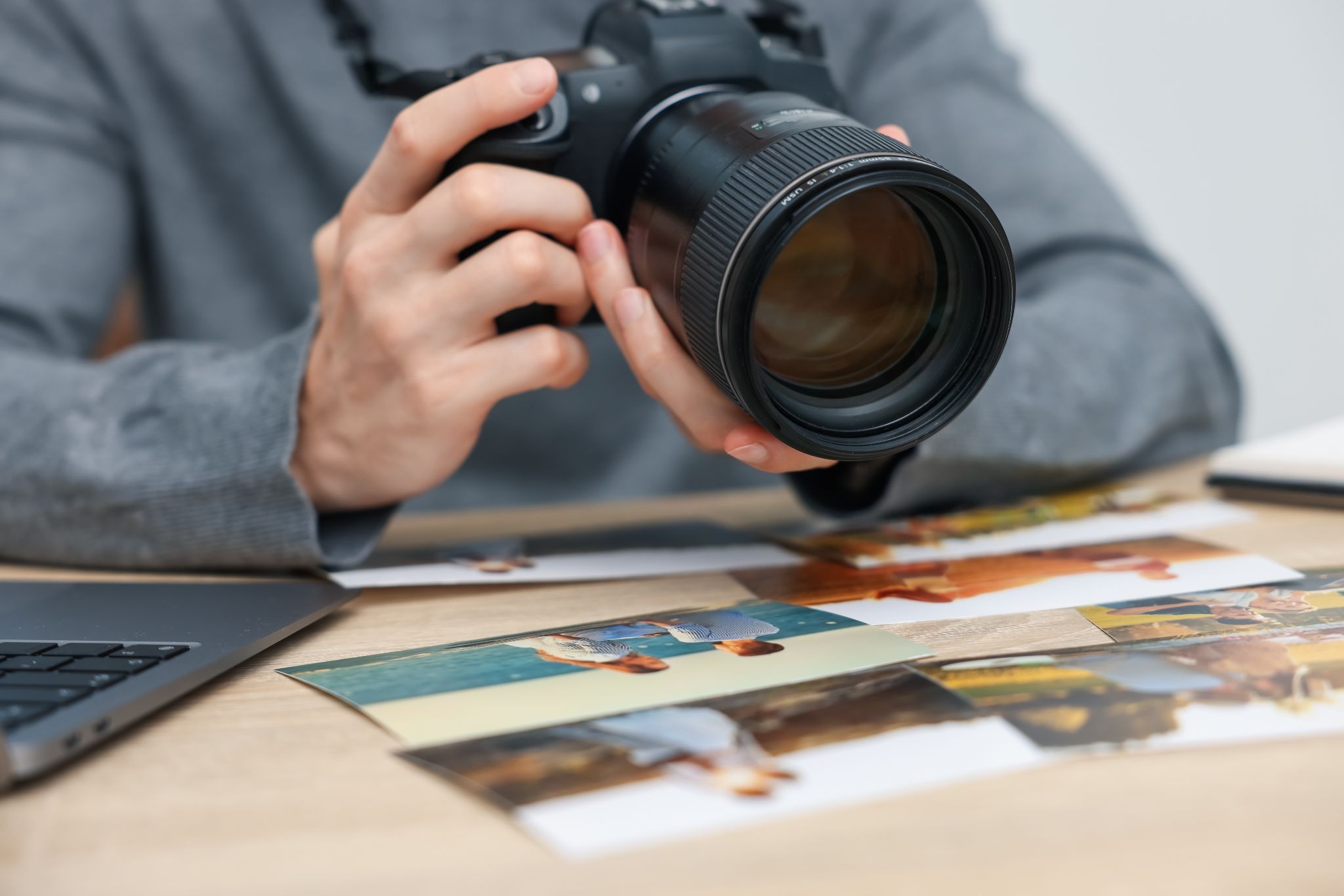
Fine art photography is not simply about capturing what is in front of the lens. It is about expressing an idea, a feeling, or a personal vision. The photographer is not just documenting reality but interpreting it. Every decision, from composition to lighting, is guided by intention rather than obligation. This approach transforms photography into a medium of artistic expression, where the final image reflects the creator’s inner world as much as the external scene.
Commercial photography, in contrast, is driven by purpose. It exists to promote, sell, or communicate a specific message on behalf of a client. While it can still be visually stunning and creatively executed, its primary goal is functional. The photographer’s role is to meet expectations, align with branding, and deliver results that serve a defined objective. This fundamental difference in intent shapes everything that follows.
The Core Philosophy Behind Fine Art Photography
At its heart, fine art photography is about freedom. It allows photographers to explore themes, emotions, and concepts without the constraints of commercial requirements. This freedom leads to deeply personal work that often invites interpretation rather than providing clear answers.
Expression Over Instruction
In fine art photography, there is no obligation to explain everything. Images can be abstract, symbolic, or open-ended. The viewer is encouraged to engage with the work and form their own understanding. This interaction creates a dynamic relationship between the artist and the audience.
The Photographer as an Artist
Fine art photographers are often seen as visual storytellers. They use their work to communicate ideas, challenge perspectives, or evoke emotions. Their identity as artists is central to their practice, influencing how they approach each project.
Commercial Photography: Purpose and Precision
Commercial photography operates within a different framework. It is structured, goal-oriented, and often collaborative. The photographer works alongside clients, marketers, and creative teams to produce images that align with a specific vision.
Meeting Client Expectations
Commercial photographers must understand the needs of their clients and deliver work that meets those expectations. This requires technical skill, adaptability, and strong communication.
Consistency and Branding
Images created for commercial purposes must maintain consistency with a brand’s identity. This includes color schemes, style, and messaging. The focus is on clarity and effectiveness rather than personal expression.
Creative Freedom Versus Creative Direction
One of the most significant differences between fine art and commercial photography lies in the level of creative control.
Freedom in Fine Art Practice
-
Complete control over subject, composition, and editing
-
Ability to experiment without restrictions
-
Focus on personal vision rather than external approval
-
Flexibility to evolve style over time
This freedom allows fine art photographers to push boundaries and explore new ideas.
Structure in Commercial Work
-
Defined guidelines and objectives
-
Collaboration with clients and teams
-
Limited scope for experimentation
-
Emphasis on delivering consistent results
While this structure can limit creative freedom, it also provides clear direction and purpose.
Storytelling Approaches in Both Fields
Storytelling is central to both fine art and commercial photography, but the way stories are told differs significantly.
Open Interpretation in Fine Art
Fine art images often leave room for interpretation. They may suggest a narrative without fully revealing it, allowing viewers to engage with the work on a personal level.
Clear Messaging in Commercial Photography
Commercial images aim to communicate a specific message quickly and effectively. There is little room for ambiguity, as the goal is to convey information or promote a product.
The Role of Emotion in Visual Impact
Emotion is a powerful element in photography, but its role varies between fine art and commercial work.
Emotional Depth in Fine Art Photography
Fine art photography often explores complex emotions, such as nostalgia, solitude, or wonder. These emotions are not always immediately obvious, requiring viewers to spend time with the image.
Emotional Appeal in Commercial Imagery
Commercial photography uses emotion strategically to influence behavior. Whether it is creating a sense of desire or trust, the emotional impact is carefully designed to achieve a specific outcome.
Techniques and Aesthetic Choices
Both fine art and commercial photography rely on technical skill, but the application of these techniques differs.
Experimentation in Fine Art Techniques
-
Use of unconventional lighting and composition
-
Emphasis on mood and atmosphere
-
Creative editing to enhance artistic vision
-
Exploration of abstract or conceptual elements
These techniques allow photographers to create unique and expressive images.
Precision in Commercial Techniques
-
Controlled lighting and composition
-
Focus on clarity and detail
-
Consistent editing styles
-
Alignment with brand aesthetics
The goal is to produce images that are polished and effective.
Audience and Purpose: Who Is the Image For?
Understanding the intended audience is crucial in both types of photography. However, the relationship between the image and the viewer differs.
Fine Art as Personal Dialogue
Fine art photography often speaks directly to the viewer on an emotional or intellectual level. It invites reflection and interpretation, creating a personal connection.
Commercial Photography as Communication Tool
Commercial images are designed to reach a specific audience and achieve a particular goal. The focus is on delivering a message that resonates with that audience.
The Business Perspective: Art Versus Industry
The way photographers approach their careers also varies between fine art and commercial fields.
Building a Career in Fine Art Photography
Fine art photographers often rely on exhibitions, galleries, and print sales. Their success is tied to their artistic reputation and the uniqueness of their work.
Opportunities in Commercial Photography
Commercial photographers work with clients across various industries, including advertising, fashion, and product photography. Their income is often more stable but requires meeting client demands.
Blurring the Lines: When Art Meets Commerce
In reality, the boundary between fine art and commercial photography is not always clear. Many photographers move between the two, blending elements from both approaches.
Creative Expression in Commercial Work
Some commercial projects allow for a high degree of creativity, enabling photographers to incorporate artistic elements into their work.
Commercial Success for Fine Art Photographers
Fine art photographers may also take on commercial projects to support their artistic practice. This balance allows them to maintain creative freedom while earning a living.
Expert Insight: Finding Your Place Between Two Worlds
Experts often advise photographers not to see fine art and commercial photography as opposing paths but as complementary ones. Understanding both can lead to a more versatile and fulfilling career.
One key recommendation is to focus on developing a strong personal vision. Even in commercial work, a unique perspective can set a photographer apart. At the same time, learning to work within constraints can enhance creativity rather than limit it.
Another important insight is to remain adaptable. The photography industry is constantly evolving, and the ability to navigate different styles and demands is essential for long-term success.
Common Misconceptions About Fine Art Photography
Many people believe that fine art photography is only for experienced or highly skilled photographers. In reality, it is accessible to anyone willing to explore their creativity and express their ideas.
Another misconception is that commercial photography lacks creativity. While it operates within certain constraints, it still requires innovation and artistic skill to produce compelling images.
The Future of Photography: A Converging Path
As technology advances and creative industries evolve, the distinction between fine art and commercial photography may continue to blur. Digital platforms, social media, and new tools are creating opportunities for photographers to showcase their work in diverse ways.
This convergence allows for greater experimentation and collaboration, opening new possibilities for both artistic expression and commercial success.
Conclusion
Fine art photography and commercial photography represent two different approaches to the same medium. One is driven by personal expression, while the other is guided by purpose and communication. Both require skill, creativity, and dedication.
Understanding the differences between these fields helps photographers make informed choices about their work. Whether pursuing artistic freedom or professional opportunities, the key is to stay true to one’s vision and continue evolving.
Photography, in all its forms, is a powerful way to see and share the world. By embracing both art and purpose, photographers can create images that inspire, inform, and connect.
FAQs
What is fine art photography in simple terms?
Fine art photography is a form of photography focused on expressing the photographer’s ideas and emotions. It is created for artistic purposes rather than commercial use, allowing for creativity, interpretation, and personal storytelling.
How is commercial photography different from fine art photography?
Commercial photography is created to promote products or communicate a message for clients, while fine art photography focuses on personal expression and creativity. The purpose and level of creative freedom are the main differences between the two.
Can a photographer do both fine art and commercial photography?
Yes, many photographers work in both areas. They may pursue fine art for creative expression while taking on commercial projects for income. Balancing both can lead to a versatile and rewarding photography career.