For centuries, art has been connected with traditional methods such as painting, sculpture, and drawing. However, technology has continuously changed how humans create and experience art. Photography itself was once questioned as a serious artistic medium, but today it is displayed in museums, galleries, and private collections around the world.
With the rise of digital cameras, smartphones, editing software, and advanced image-processing tools, another important question has emerged: can digital photography be considered fine art photography?
The answer depends on how we define art. A photograph is not only about capturing a moment. It can communicate emotions, tell stories, express ideas, and present a unique perspective of the world. When a digital image is created with intention, creativity, and artistic vision, it can absolutely become a form of fine art photography.
The modern photography industry has expanded far beyond simple documentation. Photographers now use digital tools to create carefully planned visual experiences. They combine composition, lighting, color, storytelling, and post-production techniques to transform ordinary scenes into meaningful artistic expressions.
The conversation around fine art photography is no longer limited to the question of whether the image was created using film or digital technology. Instead, the focus has shifted toward creativity, originality, and the message behind the artwork.
Understanding What Defines Fine Art Photography
Fine art photography is different from everyday photography because its primary purpose is artistic expression rather than simply recording reality. A family photo, travel snapshot, or news image may capture an important moment, but fine art photography usually begins with an idea or creative intention.
A fine art photographer thinks about the emotion they want to communicate, the story they want to tell, or the concept they want viewers to experience. The final image becomes a visual representation of the photographer’s imagination and perspective.
Digital photography follows the same principles. The camera technology may be different, but the creative process remains similar. A digital photographer still considers framing, lighting, subject selection, timing, and emotional impact.
Many respected photographers today use digital tools as part of their artistic process. They may combine photography with digital editing, manipulation, and creative techniques to produce images that go beyond traditional representation.
The foundation of fine art photography is not the equipment used to create the image. It is the thought, purpose, and creativity behind the work.
How Digital Technology Has Transformed Artistic Photography
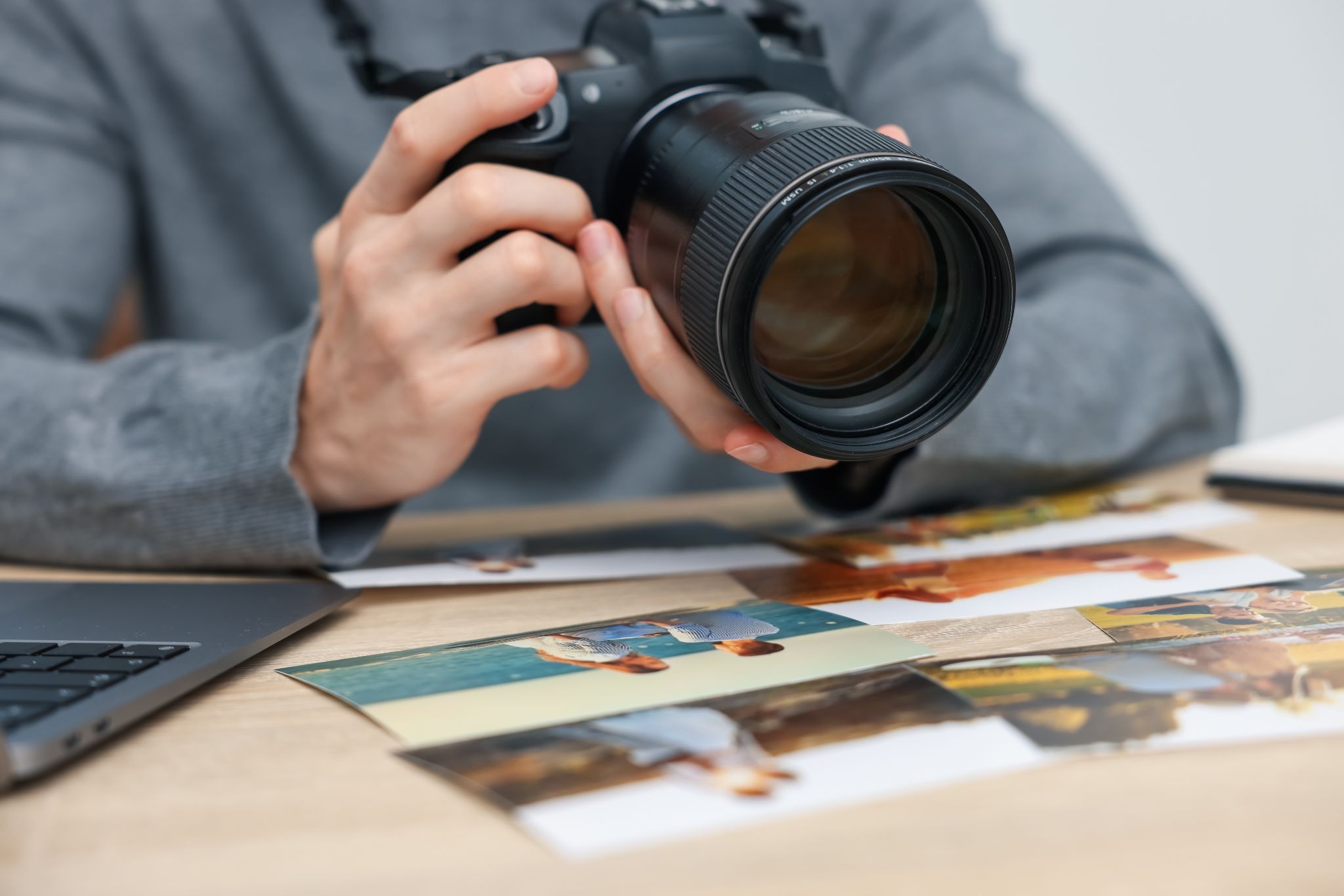
Digital technology has completely changed the photography world. In the past, photographers worked with film rolls, darkrooms, and limited opportunities to experiment. Digital cameras allow creators to capture, edit, and refine images with greater flexibility.
This technological advancement has expanded creative possibilities. Photographers can adjust colors, enhance lighting, combine multiple images, and create visual effects that were difficult or impossible with traditional methods.
Some critics argue that digital editing makes photography less authentic. However, artistic manipulation has existed throughout photography history. Even traditional photographers used techniques such as exposure adjustments, cropping, and darkroom editing to influence the final image.
Digital tools simply provide new methods for creative expression.
The growth of software such as advanced photo-editing programs has allowed photographers to experiment with visual storytelling. These tools do not replace artistic skill; they support the photographer’s creative vision.
In modern fine art photography, technology is viewed as a medium, similar to how paintbrushes and colors are tools for painters.
The Role of Creativity and Vision in Digital Fine Art
A common misunderstanding is that digital photography is only about pressing a button. In reality, creating meaningful artwork requires much more than owning an expensive camera.
A professional photographer develops a unique style through observation, practice, and creative thinking. They decide what subjects to capture, how to present them, and what emotions they want the audience to feel.
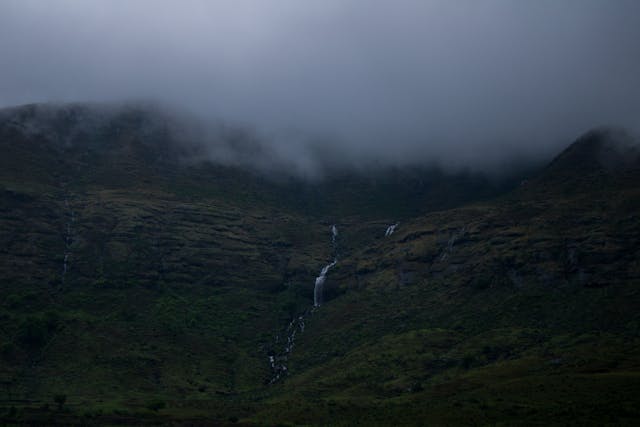
For example, a photographer might photograph an empty street. A casual viewer may see a simple location, but an artist may use lighting, shadows, and composition to communicate loneliness, nostalgia, or mystery.
This creative decision-making process is what transforms a photograph into art.
Digital photographers often use the camera as a starting point rather than the final product. Through planning and editing, they create images that represent personal ideas and artistic perspectives.
This approach is one of the strongest reasons why digital photography can belong within fine art photography.
Why Museums and Galleries Accept Digital Photography as Art
The acceptance of digital photography in museums and galleries shows how the definition of art has evolved. Major institutions now display photographic works created using digital technology because they recognize the artistic value behind them.
Art communities increasingly focus on concepts, creativity, and cultural impact rather than the specific tools used. A painting is not valuable only because of the type of brush used, and a photograph is not valuable only because of whether it was captured on film.
The meaning, execution, and emotional connection determine artistic importance.
Many contemporary photographers use digital methods to explore topics such as identity, environment, human experiences, and social issues. Their work contributes to broader conversations, just like other forms of visual art.
The acceptance of digital images in artistic spaces demonstrates that fine art photography continues to evolve with technology.
Digital Editing and the Question of Authenticity
One of the biggest debates surrounding digital photography is authenticity. Some people believe that heavy editing reduces the truthfulness of photography. Others argue that editing is simply another creative tool.
The reality is that photography has never been completely separate from interpretation. Every photograph involves choices, including camera settings, perspective, timing, and composition.
Digital editing allows photographers to emphasize specific emotions or ideas. A photographer may adjust colors to create a certain mood or combine elements to represent a creative concept.
In fine art photography, the goal is not always to show reality exactly as it appears. Sometimes the purpose is to express imagination, emotion, or a deeper message.
A digitally edited image can still be authentic if it represents the artist’s intention and creative vision.
The Influence of AI and Emerging Digital Tools on Photography
New technologies such as artificial intelligence are creating another transformation in photography. AI-powered tools can assist with editing, image enhancement, and creative experimentation.
These developments have created discussions about the future of photography. Some artists worry about originality, while others see AI as another creative instrument.
The history of art shows that new technology often creates debate before becoming accepted. Digital cameras, editing software, and online platforms all changed photography, but they also expanded opportunities for artists.
The future of fine art photography will likely involve a combination of human creativity and advanced technology. The key factor will remain the artist’s ability to communicate ideas and emotions.
The Difference Between Digital Photography and Simple Digital Images
Not every digital photograph automatically becomes fine art photography. Millions of images are created daily, but artistic value depends on intention and execution.
A random snapshot taken without thought is different from a carefully created digital artwork. The difference comes from planning, storytelling, and creative purpose.
Fine art photographers consider every element of an image, from composition to emotional impact. They create photographs that invite viewers to think, feel, and interpret.
Digital technology makes creation easier, but artistic quality still depends on the photographer’s skill and vision.
Why Digital Photography Has a Strong Future in Fine Art
Digital photography continues to grow because it combines accessibility with artistic possibility. More people can explore photography, share their work, and develop creative skills through modern technology.
Online galleries, social platforms, and digital exhibitions have created new opportunities for photographers to reach audiences worldwide.
This expansion has helped redefine how people understand visual art. Photography is no longer limited to traditional formats or physical materials. Digital images can create powerful artistic experiences.
As technology continues to develop, the relationship between photography and art will continue evolving.
Conclusion: The Evolving Identity of Digital Fine Art Photography
Digital photography has firmly established itself within the world of artistic expression, and the debate around its legitimacy as fine art photography continues to evolve rather than disappear. What once depended heavily on traditional film processes has now expanded into a broader creative landscape where intention, storytelling, and emotional depth matter more than the tools used to capture an image.
At its core, fine art photography is defined by vision, not format. Whether an image is created through a digital sensor or a film negative, its artistic value comes from how effectively it communicates meaning and emotion. Digital technology has simply given photographers more freedom to experiment, refine, and push creative boundaries without replacing the essence of artistry itself.
As museums, galleries, and global art communities continue to embrace digital work, it becomes increasingly clear that digital photography is not separate from fine art photography but an essential part of its modern identity. The future of photography lies in this blend of creativity and technology, where imagination remains the most important tool of all.
FAQs
1. Can digital photography really be considered fine art photography?
Yes, digital photography can be considered fine art photography when it is created with artistic intention, emotional depth, and creative vision. The value of fine art photography depends more on the message and composition than the technology used to produce the image.
2. What makes a digital photo qualify as fine art photography?
A digital photo becomes fine art photography when it goes beyond simple documentation and expresses an idea, emotion, or story. Elements like composition, lighting, editing, and conceptual planning play a major role in defining its artistic quality.
3. Is editing important in fine art photography?
Editing is often an important part of fine art photography because it allows photographers to enhance mood, refine details, and strengthen storytelling. However, the editing should support the artistic vision rather than replace it or distort the original concept completely.
4. Do galleries accept digital photography as fine art?
Yes, many galleries and museums now accept and showcase digital photography as fine art. The art world increasingly focuses on creativity, meaning, and expression rather than whether the image was captured using digital or traditional film-based methods.
5. What is the future of digital fine art photography?
The future of digital fine art photography is very strong as technology continues to evolve. With tools like AI, advanced editing software, and global digital platforms, photographers have more opportunities than ever to create, share, and exhibit meaningful artistic work worldwide.