
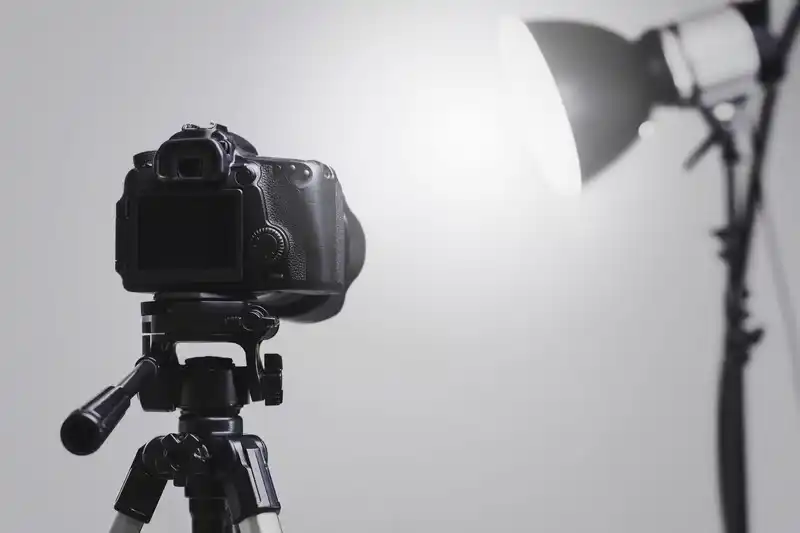
Fine art photography is not simply about capturing a beautiful scene. It is about creating a visual experience that communicates emotions, ideas, and stories. While cameras and editing tools have become more advanced, the foundation of powerful photography still depends on two essential elements: lighting and composition.
A photograph can contain an interesting subject, but without thoughtful arrangement and controlled light, the final image may fail to create an emotional impact. Professional photographers understand that every shadow, highlight, position, and visual element contributes to the meaning of an image.
The relationship between light and photography composition defines how viewers experience a photograph. These elements guide attention, create mood, and transform ordinary moments into meaningful artistic expressions.
Understanding the Role of Lighting in Fine Art Photography
Lighting is one of the most important tools available to photographers. It influences the atmosphere, texture, color, and emotional tone of an image.
Natural light, artificial light, soft shadows, and dramatic contrast can completely change how a subject appears. A portrait taken during golden hour may feel warm and peaceful, while the same portrait under harsh lighting may feel intense or dramatic.
In fine art photography, photographers do not simply use light to make subjects visible. They use it to communicate feelings and create a specific artistic vision.
This connection between light and photography composition allows artists to control how viewers interpret an image.
How Natural Light Shapes Artistic Photography
Natural light has always been a favorite tool among photographers because it changes throughout the day. Morning light often creates softness, while evening light produces warmer tones and deeper emotions.
The direction of sunlight also affects how a subject is perceived. Side lighting can highlight texture, while backlighting can create mystery and atmosphere.
Fine art photographers often study natural light carefully because it adds authenticity and emotional depth to their work.
Understanding natural lighting conditions improves photography composition because light influences where the viewer’s attention moves within the frame.
The Importance of Shadows and Contrast
Many beginner photographers focus mainly on brightness, but shadows are equally important. Shadows create depth, dimension, and visual interest.
In fine art photography, shadows can suggest mystery, emotion, or storytelling. A partially hidden subject can create curiosity, while strong contrast can communicate strength or drama.
Professional photographers often use shadows intentionally rather than treating them as unwanted darkness.
The relationship between highlights and shadows is an important part of photography composition because it helps create balance and visual structure.
How Artificial Lighting Creates Creative Possibilities
Artificial lighting gives photographers greater control over their creative process. Studio lights, reflectors, and controlled setups allow artists to shape the appearance of their subjects.
Portrait photographers, for example, may use specific lighting techniques to emphasize facial features or create a particular mood.
Artificial lighting is especially useful in conceptual fine art photography because photographers can design the entire visual environment.
When combined with strong photography composition, artificial light can transform a simple concept into a powerful artistic statement.
The Meaning Behind Photography Composition
Composition refers to how different elements are arranged inside a photograph. It determines where viewers look, how they move through the image, and what emotions they experience.
A well-composed photograph feels intentional. Every object, space, line, and color has a purpose.
Unlike simple snapshots, fine art photography requires thoughtful decisions about placement and balance.
Strong photography composition helps photographers create images that communicate ideas rather than just record moments.
The Rule of Thirds and Visual Balance
One of the most commonly discussed composition techniques is the rule of thirds. This approach divides an image into sections and places important subjects along these lines or intersections.
Although not every great photograph follows this rule, it helps beginners understand balance and visual organization.
Many professional photographers use this technique as a starting point before experimenting with more creative arrangements.
The rule of thirds demonstrates how photography composition can influence the way viewers connect with an image.
Leading Lines and Viewer Attention
Leading lines are visual elements that guide the viewer’s eyes through a photograph. Roads, buildings, shadows, and natural patterns can all create movement within an image.
These lines help create a visual journey. Instead of looking at the photograph randomly, viewers naturally follow the path created by the composition.
Fine art photographers use leading lines to strengthen storytelling and create emotional flow.
This technique shows how photography composition is not only about placement but also about controlling viewer experience.
The Role of Color in Fine Art Photography
Color has a powerful psychological effect. Warm colors can create feelings of comfort and energy, while cooler tones may suggest calmness or distance.
Photographers carefully consider color relationships when creating artistic images. A limited color palette can create harmony, while contrasting colors can create tension.
Color works together with lighting and composition to strengthen the overall message of a photograph.
Effective photography composition includes not only physical arrangement but also the emotional impact of colors within the frame.
Creating Depth and Dimension in Images
A flat photograph can become more engaging when it creates a sense of depth. Photographers achieve this by using foreground, middle ground, and background elements.
Depth allows viewers to feel as though they are entering the scene rather than simply observing it.
Lighting also contributes to depth by creating separation between different elements.
Combining depth techniques with thoughtful photography composition helps create more immersive fine art images.
Storytelling Through Visual Arrangement
Every successful fine art photograph tells a story. The story may be obvious or subtle, but the viewer should feel something when looking at the image.
Composition determines what information is revealed and what remains hidden. Lighting determines the emotional atmosphere.
Together, these elements create visual narratives that connect with audiences.
This is why professional photographers consider photography composition a storytelling tool rather than only a technical skill.
How Professional Photographers Use Light and Composition Together
Experienced photographers rarely think about lighting and composition separately. They understand that these elements influence each other.
Changing the light can change the composition. Moving the subject can change how shadows appear. Adjusting one element often affects the entire image.
Fine art photography requires continuous experimentation and observation.
The strongest images usually come from photographers who understand how lighting and photography composition work together to create meaning.
The Influence of Famous Fine Art Photographers
Many influential photographers built their artistic styles through unique approaches to light and composition.
Photographers such as Ansel Adams became known for dramatic use of light, contrast, and carefully structured landscapes.
Dorothea Lange used composition and emotional storytelling to create powerful human-centered images.
Their work demonstrates that technical choices can become a form of artistic expression.
Modern Technology and the Future of Fine Art Photography
Digital cameras, editing software, and artificial intelligence tools have expanded creative possibilities for photographers. Artists can now experiment with styles and techniques that were previously difficult to achieve.
However, technology does not replace the importance of visual understanding. A powerful image still depends on creative decisions.
Modern photographers continue using traditional principles of lighting and photography composition while exploring new digital possibilities.
Common Mistakes in Lighting and Composition
Many photographers struggle because they focus too much on equipment rather than creative vision. A high-quality camera cannot replace thoughtful composition.
Common mistakes include ignoring background distractions, using uncontrolled lighting, or placing subjects without considering balance.
Improvement comes from practice, observation, and learning how visual elements interact.
Developing strong photography composition skills allows photographers to create more intentional and meaningful images.
Expert Insights on Creating Better Fine Art Images
Photography experts often emphasize that great images are created through observation. Understanding light, space, and emotion is more important than simply following technical rules.
Professional photographers spend time studying environments, predicting lighting changes, and experimenting with different perspectives.
This creative process separates fine art photography from ordinary image capture.
Strong photography composition develops through experience, patience, and continuous exploration.
Conclusion: The Power of Light and Composition in Fine Art Photography
Lighting and composition are the foundation of powerful fine art photography. They influence how viewers understand, feel, and connect with an image.
Light creates mood, highlights important details, and shapes emotional responses. Composition organizes visual elements and guides the viewer’s journey through the photograph.
Together, they transform simple photographs into meaningful artistic expressions.
Mastering photography composition allows photographers to move beyond capturing images and begin creating visual stories that leave lasting impressions.
Frequently Asked Questions
Why is lighting important in fine art photography?
Lighting controls mood, texture, and emotional impact in fine art photography. It helps photographers highlight important details, create atmosphere, and guide the viewer’s attention through the image.
How does photography composition improve an image?
Photography composition improves an image by organizing visual elements in a balanced and meaningful way. It helps create stronger storytelling, better focus, and a more engaging experience for viewers.
What are the main elements of photography composition?
Important elements include balance, leading lines, framing, color, depth, and subject placement. These techniques help photographers create images that feel intentional and visually powerful.
Can lighting change the meaning of a photograph?
Yes, lighting can completely change how viewers interpret an image. Soft light may create calm emotions, while dramatic shadows can create mystery, tension, or deeper storytelling.
How can beginners improve photography composition skills?
Beginners can improve by studying professional photographs, practicing different arrangements, experimenting with lighting, and learning how visual elements work together to create stronger images.